Installation

INTERVIEW | Won Ji Lim

INTERVIEW | Won Ji Lim

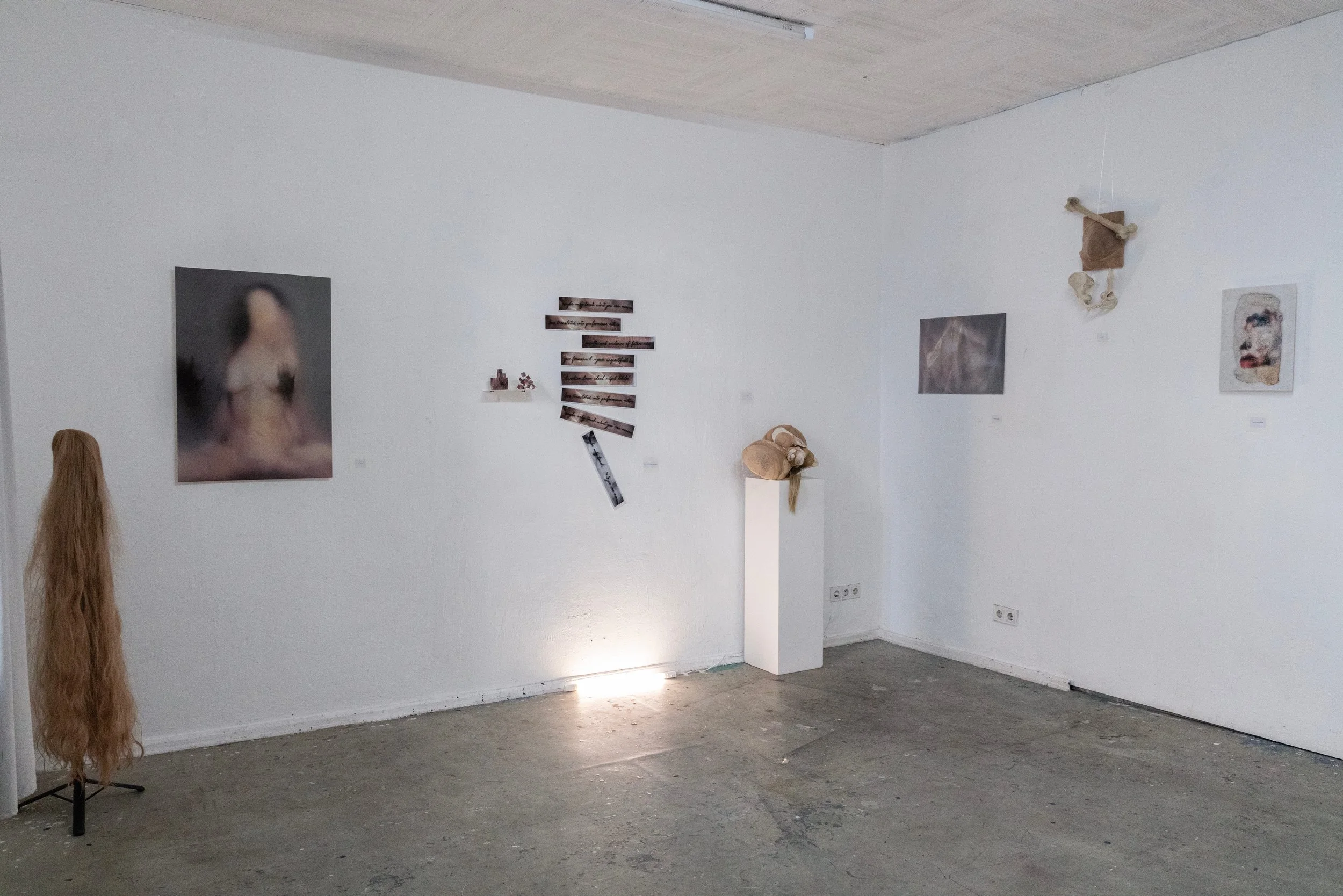
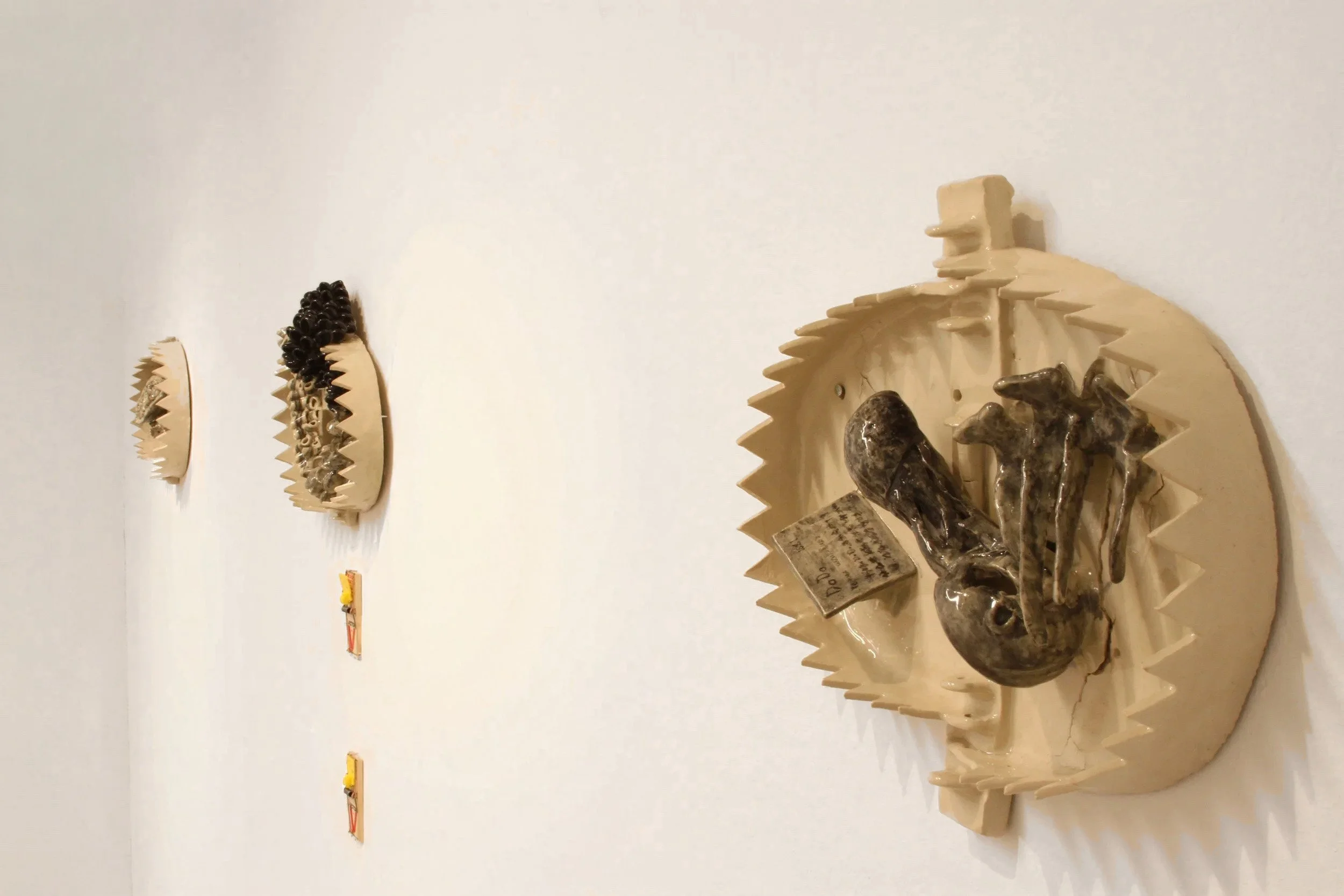
Lim Won Ji (Oneg) is a South Korean artist based in Chicago. Working across sculpture, installation, performance, and process-based experimentation, Lim investigates hypervigilance as a bodily condition shaped by anxiety, uncertainty, anticipation, and the desire for control, constructing unstable situations in which order is continually negotiated through gravity, time, repetition, and chance.
INTERVIEW | Ronit Keret

INTERVIEW | Ronit Keret

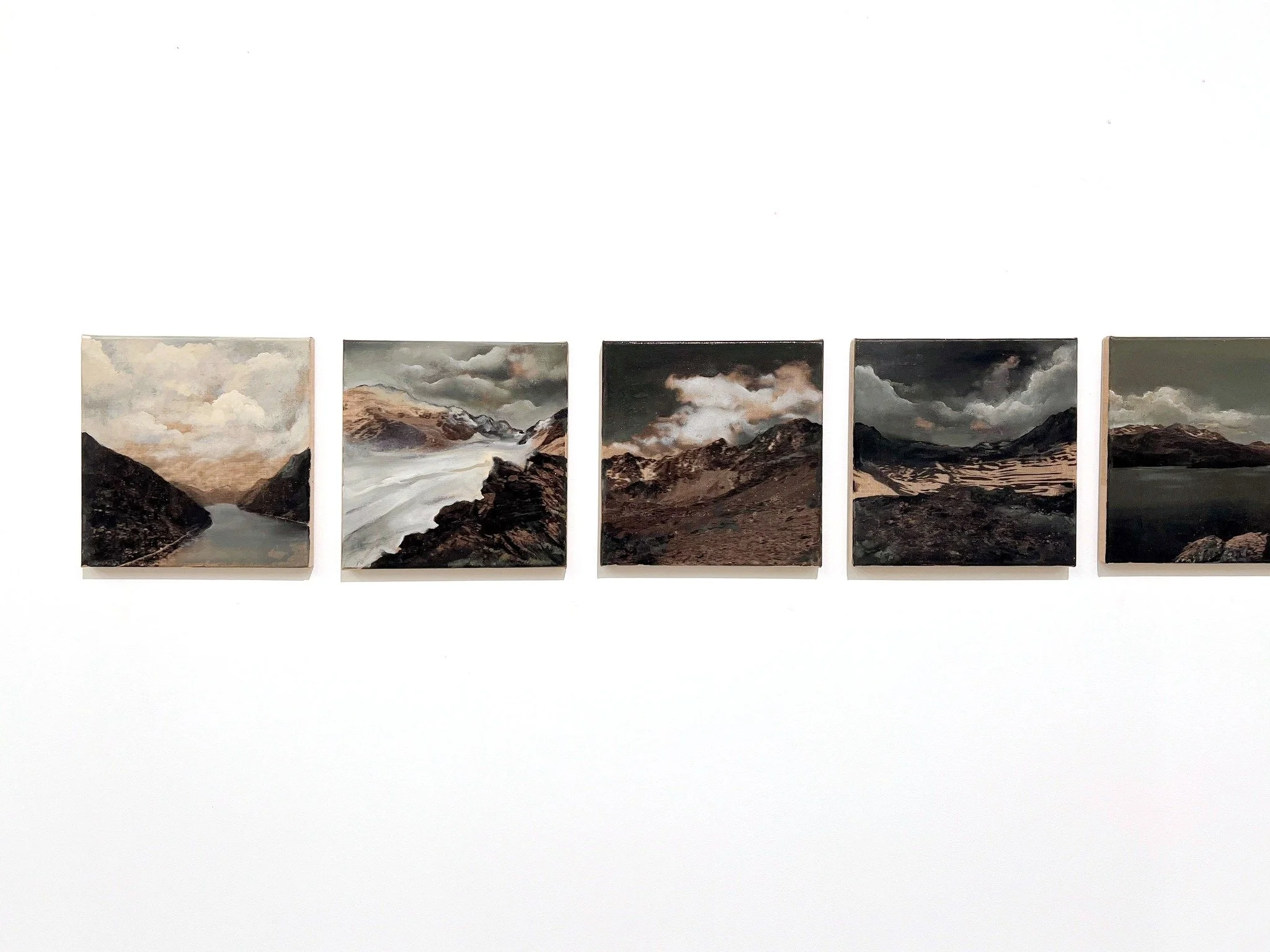
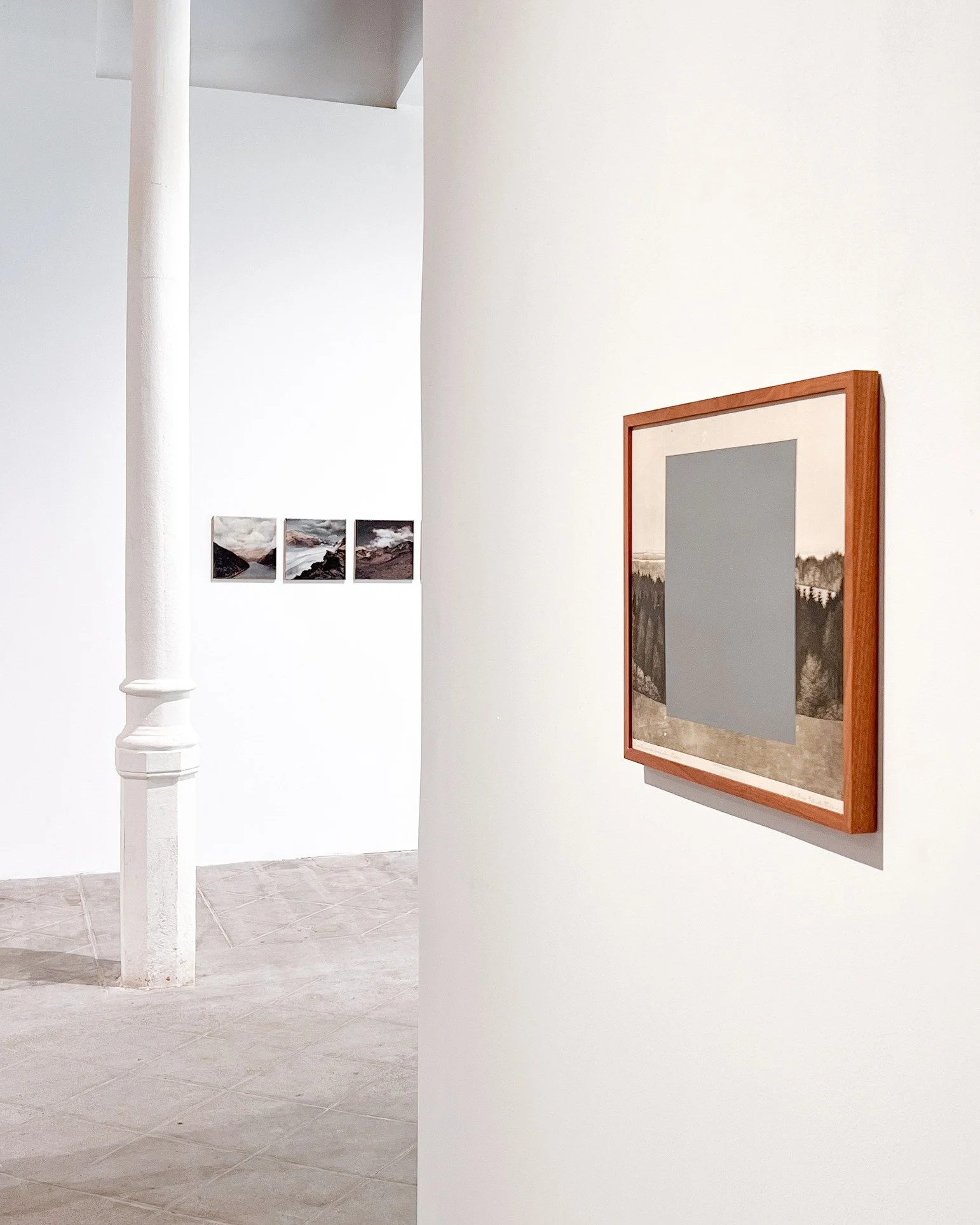
Topography of Collapse, Ronit Keret’s first solo exhibition in Helsinki, brings together site-specific installations, drawings, and video in a body of work shaped by erosion, fracture, and environmental precarity. The exhibition develops out of Keret’s long-standing preoccupation with climate change, and more specifically with melting glaciers and ecological fragility.

INTERVIEW | Yidan Chen

INTERVIEW | Yidan Chen

Yidan Chen is a visual artist whose practice moves between installation, sculpture, experimental film, and olfactory media. She explores the cultural dissonance and perceptual shifts that arise in cross-cultural life. Her practice investigates how identity is shaped and unsettled through sensory cues, inherited symbols, and the subtle social expectations placed on Asian bodies in Western contexts.

INTERVIEW | Xinyue Zhang

INTERVIEW | Xinyue Zhang

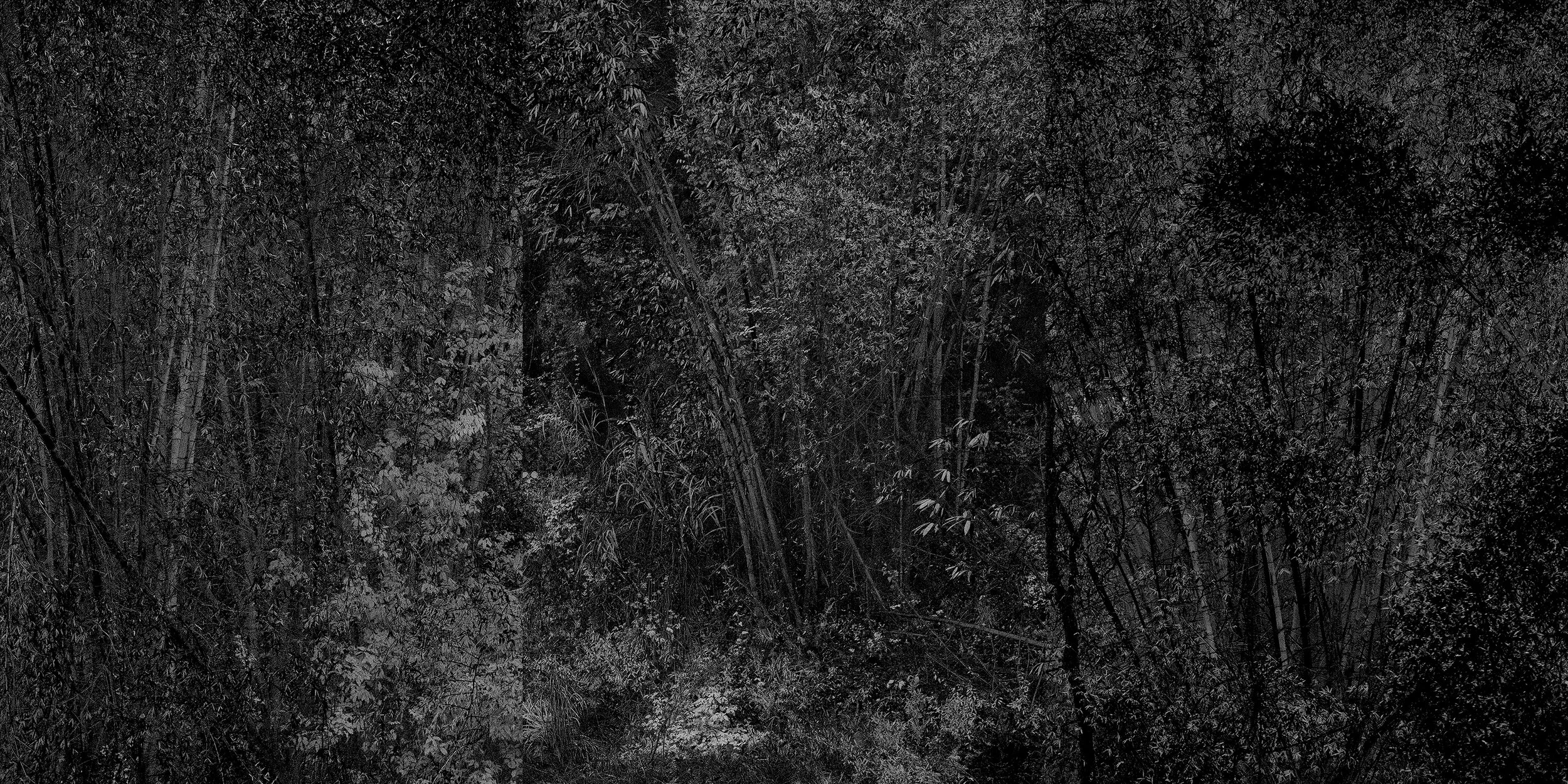
Xinyue Zhang is a multi-media artist. Born in northern China, her practice explores the boundary between figuration and abstraction, capturing the tremors overlooked in daily life, the path of light through dust, the traces of time on surfaces. Her artworks achieve balance through contrast, much like life, affirming its existence through decay, seeking that fleeting “in-between.”

INTERVIEW | Ashleigh Hobbs (Arnika)

INTERVIEW | Ashleigh Hobbs (Arnika)

Ashleigh Hobbs, known by her artist name Arnika (b. Australia), is a multidisciplinary artist and musician working primarily through sound and performance, expanded through self-portraiture and installation. Her practice explores femininity, bodily autonomy, and the ways internalised ideals shape the female body and psyche.

INTERVIEW | Wei Wu

INTERVIEW | Wei Wu

Wei Wu is an interdisciplinary artist whose practice reimagines civic experience through spatial storytelling in the public domain. Working across projection, robotics, AI, augmented reality, and interactive systems, she creates large-scale experiences shaped by memory, place, participation, and ritual. Her work explores how emerging technologies can transform the ways people perceive public life.

INTERVIEW | Zengjie Chai

INTERVIEW | Zengjie Chai

Zengjie Chai is an interdisciplinary artist from Hangzhou, China, currently based in Los Angeles. Working autobiographically through queer autotheory, he explores elements of his lived experience from multiple perspectives. Through engaging with different media, his work addresses and examines the intersection between his personal narrative and the sociological context as a queer diasporic body.

INTERVIEW | Katya Shkolnik

INTERVIEW | Katya Shkolnik

Katya Shkolnik (b. USSR; lives and works in Milan) is a multidisciplinary artist working across photography, sound, and installation. Her work explores perception, time, and the unseen structures that shape reality. A background in nuclear physics informs her interest in the relationship between the known and the unknown, and in how invisible forces can become sensory experience.

INTERVIEW | Bin Fang

INTERVIEW | Bin Fang

Bin Fang is a multimedia artist working across language, video, installation, image, sound, and drawings. The work engages with labour, fragmented memory, and performance, often tracing ideas and materials that resist or are misread in translation in daily life. Through a poetic approach to space, Bin explores how body, identity, culture, and perception are deferred, reframed, or misunderstood.

INTERVIEW | Abir Kobeissi

INTERVIEW | Abir Kobeissi

Abir Kobeissi is a Lebanese artist based in Munich. Her multidisciplinary practice explores value, authorship, and power through painting, sculpture, photography, textiles, and installation. Her work combines introspection with critical observation, creating spaces for reflection on contemporary power structures and the mechanisms that define worth and meaning.

INTERVIEW | Heejai Park

INTERVIEW | Heejai Park

Heejai Park is a visual designer working at the intersection of design and technology. Based between San Francisco and Seoul, she explores how emerging technologies can shape new visual languages and human experiences. Her work combines brand identity, generative design, motion, and experimental installations.

INTERVIEW | Jiwoong Jang

INTERVIEW | Jiwoong Jang

Jiwoong Jang is an interdisciplinary artist in New York City. Jiwoong's practice is built on delicate observations and connections. Working in post-photography, he explores how the charge of past experiences, pleasant or painful, informs new or anticipated encounters in unexpected ways. These instances of surprise are collected and transmuted into photography and sculpture.

INTERVIEW | Raquel Sanchez

INTERVIEW | Raquel Sanchez

Raquel Sanchez is a multidisciplinary artist and poet based in Jerusalem. With a diverse upbringing, her artistic journey spans decades of study in painting, ceramics, sculpture, and design, both formally and informally. In her visual work, Sanchez explores light, reflection, nature, and biblical symbolism to evoke spiritual dimensions of human experience.

INTERVIEW | Murphy Nile (Ziling Zhou)

INTERVIEW | Murphy Nile (Ziling Zhou)

Murphy Nile (Ziling Zhou) is a transmedia artist. His practice combines simulated 3D narrative environments with interactive audiovisual experiences, focusing on attention choreography and screen-based spatial dramaturgy. Through dystopian and absurd digital landscapes, he explores causal prediction, techno-fantasy, historical reinterpretation, reflecting on the alienation embedded in technology.

INTERVIEW | Qi Liu

INTERVIEW | Qi Liu

Qi Liu is a multidisciplinary artist based in Los Angeles whose practice explores the intersections of gender, society, and environment. Her work often takes the form of installations and photographs that translate social realities into visual experiences.

INTERVIEW | Slitrobo

INTERVIEW | Slitrobo

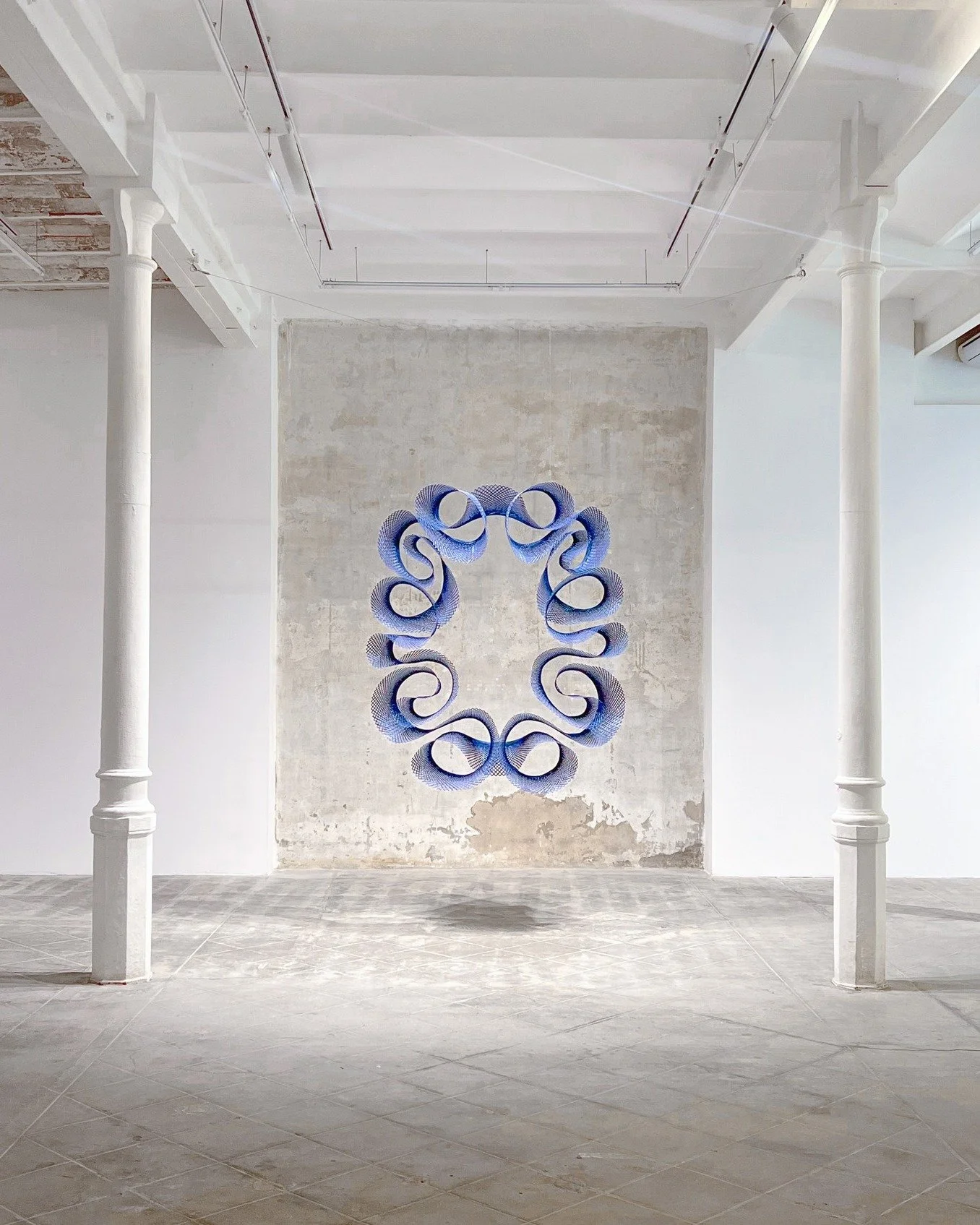
Slitrobo (Vova Shlygin, b. 1991, Russia) is a contemporary artist working at the intersection of art, technology, and philosophy. His practice investigates the relationship between consciousness and matter, exploring life as a recursive expression of dynamic stability within chaos. Through software-based systems and audiovisual installations, he creates digital environments.

INTERVIEW | ChingKe Lin

INTERVIEW | ChingKe Lin

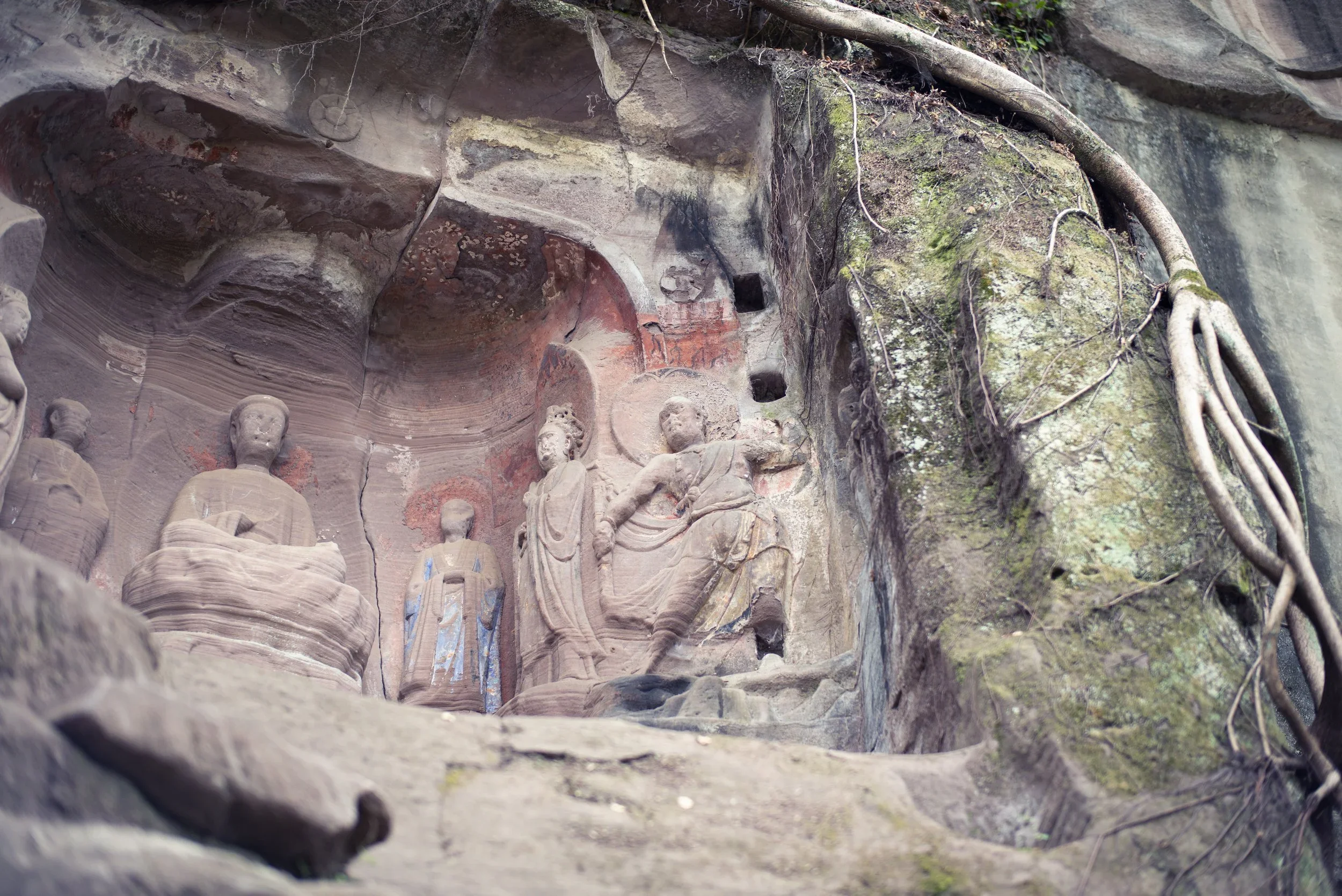
ChingKe Lin is a bamboo artist rooted in material philosophy, expanding the contemporary possibilities of bamboo. Rather than reproducing traditional craft, he approaches bamboo as an explorer, studying its tension and resilience to seek a deeper bond between nature and human experience. His work grows from the essence of the material, turning bamboo weaving into a fluid spatial language.

INTERVIEW | Danielle Feldhaker

INTERVIEW | Danielle Feldhaker

In recent years, her works address notions associated with the haphazardness, demarcated territories, or transient shelters in the context of acute global issues concerning the future and integrity of our planet. She creates site-specific installations and sculptural objects, using ready-made and man-made materials.

INTERVIEW | Wei-Fang Chang

INTERVIEW | Wei-Fang Chang

Wei-Fang Chang is a video designer and creative technologist from Taiwan, based in Los Angeles. With extensive experience in projection design, motion graphics, and interactive programming, particularly in live experiences, she shapes her visual language through video design in theatre, dance, and interactive installations.

INTERVIEW | Zhuoyu Zhang

INTERVIEW | Zhuoyu Zhang

Zhuoyu Zhang is a new media artist from Beijing, currently based in New York. Working across video installation, interactive storytelling, and algorithmic systems, Zhang draws from internet subcultures, personal archives, and speculative fiction to construct intimate yet dissonant environments that reflect on surveillance, disembodiment, and affective labour within visual regimes shaped by data.